Each year, thousands of residents in Columbus, GA, experience seasonal allergies caused by pollen, mold, and other airborne irritants. If you or your family members struggle with sneezing, itchy eyes, and congestion, you’re not alone.
Understanding how to manage seasonal allergies can make a significant difference in your quality of life. At MedCare, we help families stay healthy and comfortable during peak allergy seasons.
What Causes Seasonal Allergies in Columbus, GA?
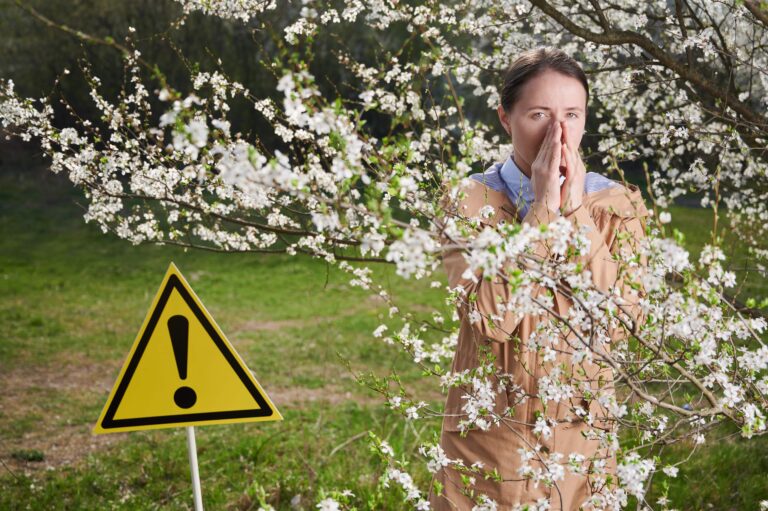
Seasonal allergies occur when the immune system overreacts to airborne allergens. In Columbus, common allergy triggers include:
Tree Pollen (Spring) – Oak, pine, and birch trees release high amounts of pollen.
Grass Pollen (Late Spring & Summer) – Bermuda and ryegrass are major culprits.
Ragweed Pollen (Fall) – One of the most common allergens in Georgia.
Mold Spores (Year-Round, Peaks in Fall & Spring) – Often found in damp areas and piles of leaves.
Knowing what triggers your allergies can help you take the right precautions to minimize exposure.
Common Symptoms of Seasonal Allergies
Symptoms of seasonal allergies vary from mild to severe and may include:
Sneezing and runny nose
Itchy, watery, or red eyes
Nasal congestion
Scratchy throat or postnasal drip
Fatigue caused by disrupted sleep
Sinus pressure and headaches
If these symptoms persist for several weeks or worsen, contact MedCare for an evaluation.
Common Symptoms of Seasonal Allergies
1. Check the Local Pollen Count Daily
Before heading outdoors, check the pollen forecast in Columbus, GA. On high-pollen days, limit outdoor activities, especially in the morning when pollen levels peak.
Helpful resources:
The Weather Channel’s allergy forecast
Pollen.com
2. Keep Windows Closed During Peak Allergy Seasons
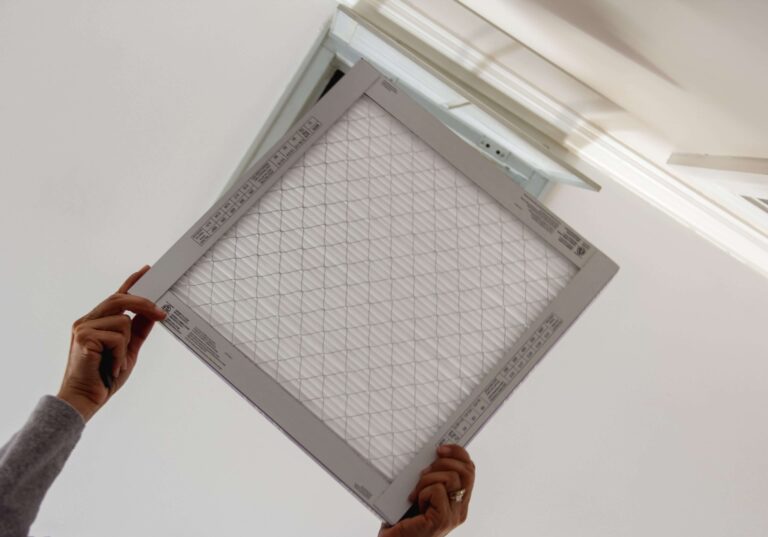
Prevent pollen from entering your home by keeping windows and doors shut during peak allergy seasons. Use air conditioning with a HEPA filter to keep indoor air clean.
3. Shower and Change Clothes After Outdoor Activities
Pollen can stick to skin, hair, and clothing. After spending time outside, take a shower and change clothes to prevent allergens from spreading indoors.
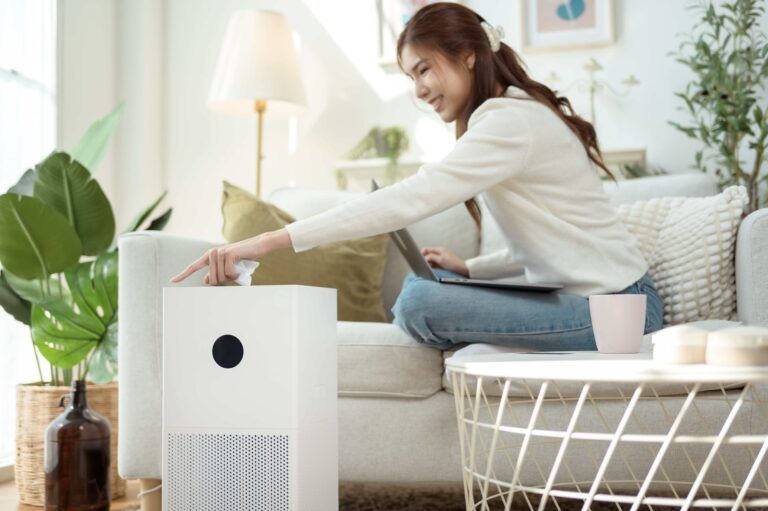
4. Use an Air Purifier and Clean Regularly
Indoor allergens can worsen seasonal allergies. Reduce triggers by:
Using HEPA air purifiers in bedrooms and living spaces.
Vacuuming carpets and furniture weekly with a HEPA-filter vacuum.
Washing bedding in hot water weekly to remove allergens.
5. Wear Sunglasses and a Mask Outdoors
Protect your eyes and airways from pollen exposure by wearing wraparound sunglasses and a face mask on high-pollen days. This simple precaution can significantly reduce allergy symptoms.
6. Take Allergy Medications Before Symptoms Start
If you have a history of seasonal allergies, start taking antihistamines or allergy medications before peak season to prevent symptoms. Options include:
Antihistamines (Loratadine, Cetirizine) for sneezing and itching.
Nasal Sprays (Fluticasone, Mometasone) to reduce congestion.
Decongestants (Pseudoephedrine) for temporary relief of nasal swelling.
Talk to your healthcare provider at MedCare for recommendations based on your symptoms.
When to See a Doctor for Seasonal Allergies
If allergies interfere with your daily life or lead to complications such as sinus infections, asthma flare-ups, or ear infections, it’s time to seek medical care.
Visit MedCare if you experience:
Severe allergy symptoms that do not improve with over-the-counter medications.
Persistent sinus pressure or recurring infections.
Allergy symptoms combined with asthma or difficulty breathing.
Please note: MedCare does not provide allergy testing or immunotherapy shots. However, we can prescribe allergy medications and offer breathing treatments to relieve respiratory symptoms.
Get Allergy Relief at MedCare
Seasonal allergies can be frustrating, but they don’t have to disrupt your daily life.
At MedCare we provide:
Prescription allergy medications tailored to your needs.
Breathing treatments for respiratory symptoms triggered by allergies.
Walk-in urgent care for allergy flare-ups and sinus infections.
Take control of your allergies today. Schedule an appointment or visit MedCare for relief.
Don’t wait to take the next step toward better health. Our friendly team is ready to help you schedule your visit and answer any questions you may have.
Experience the MedCare Difference—Personalized Care That Puts You First.