Medcare of Columbus

Why Some Cuts and Scrapes Take Longer to Heal Than Others

Share:
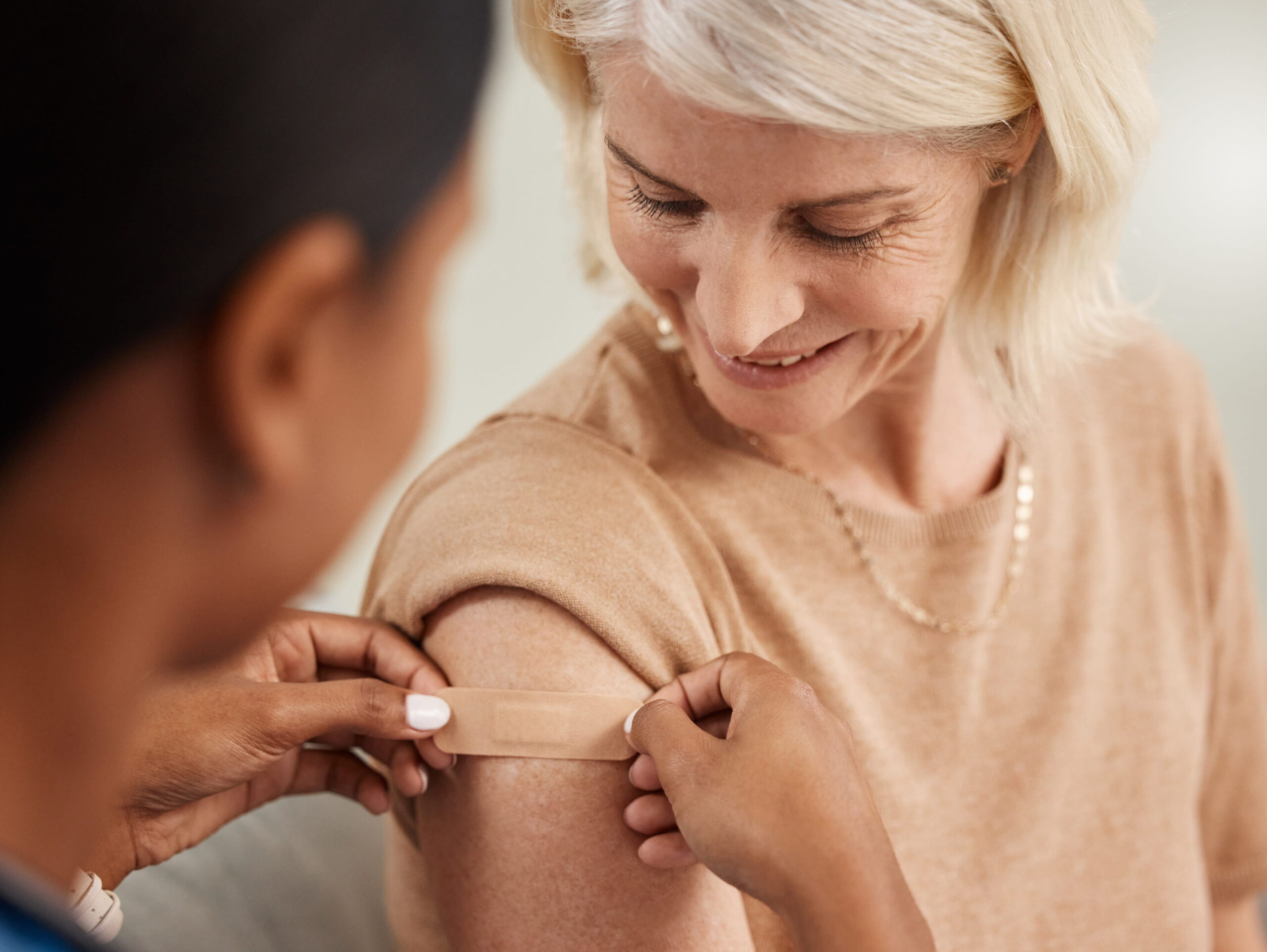
happy-mature-woman-plaster-vaccine-flu-injection-from-nurse-clinic-health-wellness-senior-female-person-smile-with-bandage-medicine-healthcare-illness-protection

Most of us have experienced a small cut or scrape at some point. Whether it happens while cooking, gardening, exercising, or spending time outdoors, these minor injuries are often treated at home and forgotten within a few days.


While many cuts heal without complications, some take longer than expected. You may notice redness that does not improve, tenderness that lingers, or a wound that simply does not seem to be making progress.


Understanding how your body heals can help you recognize what is normal and when it may be time to have a wound evaluated. Paying attention to small changes early can support healing and help prevent more serious concerns.

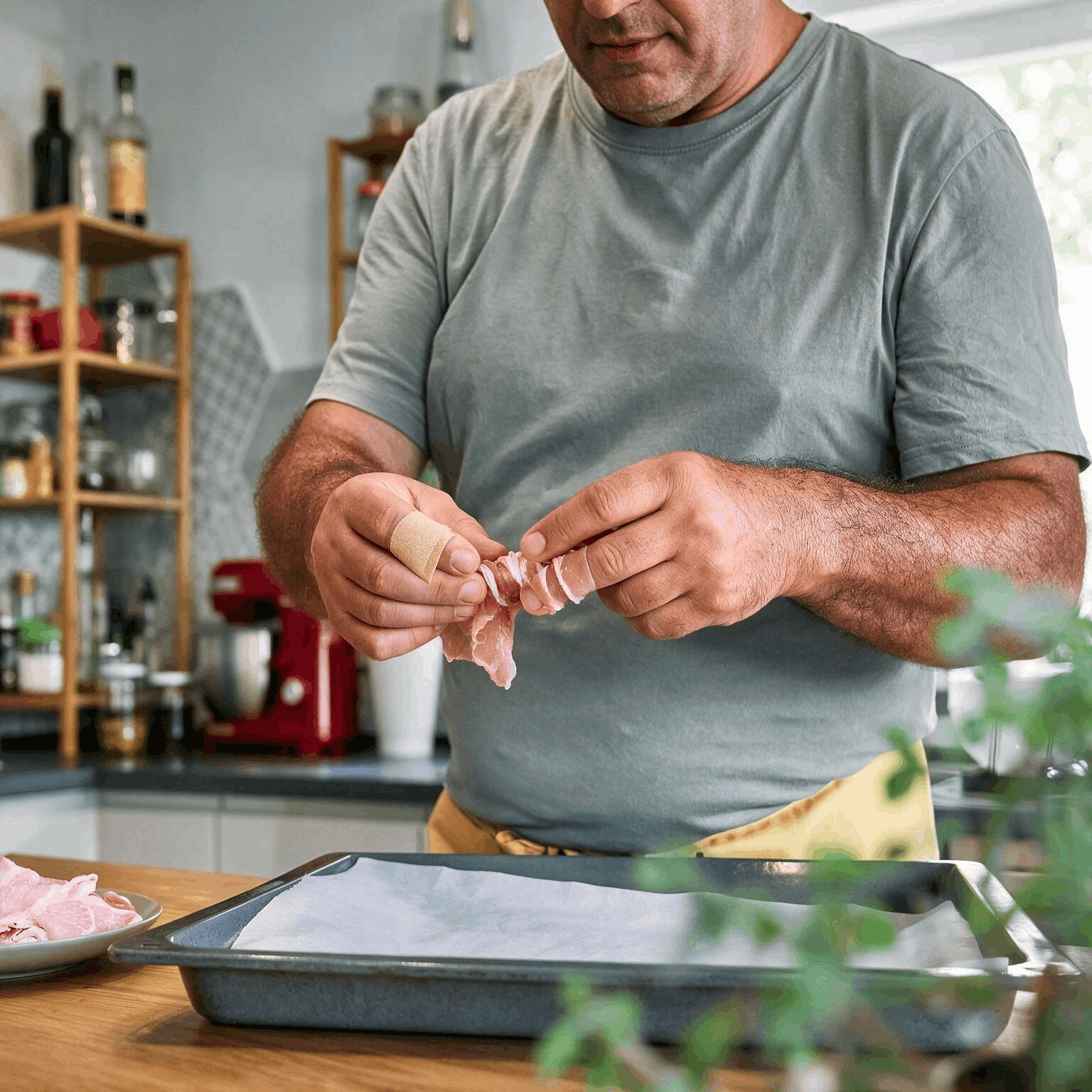
magnific_put-a-bandaged

How Your Body Naturally Heals a Cut or Scrape

Your skin is your body’s first line of defense. When it is injured, your body immediately begins repairing the area through several natural stages.

During the first few days, it is common to experience:

  • Mild redness around the wound
  • Slight swelling
  • Tenderness
  • A small amount of clear fluid
  • Formation of a protective scab

As healing continues, new skin gradually forms beneath the surface. The scab eventually falls away, leaving healthy skin underneath.


Every person heals at a different pace. Factors such as age, overall health, and the location of the wound can all influence how long recovery takes.

Everyday Factors That Can Slow Healing

Sometimes a wound needs a little more time. In other cases, certain habits or conditions may delay the healing process.

Keeping the Wound Too Dry or Too Wet

Keeping a wound clean and properly protected helps create an environment where new skin can develop. Leaving it uncovered too early or allowing bandages to stay damp for long periods may interfere with healing

Repeated Friction or Irritation

Cuts on the hands, knees, elbows, or feet are often exposed to frequent movement. Constant rubbing or pressure can slow the body’s ability to repair the area.

Certain Health Conditions

Conditions that affect circulation or the immune system may make healing take longer than usual. This is one reason it is important to monitor wounds closely if you have ongoing health concerns.
Doctor wrapping injured hand in hospital office.

Signs Your Wound May Need Medical Attention

Most minor cuts improve a little each day. If the wound begins to look worse instead of better, it may be time to seek medical care.

Some signs to watch for include:

  • Increasing redness that spreads beyond the wound
  • Swelling that continues to worsen
  • Thick yellow or green drainage
  • An unpleasant odor
  • Increasing pain after the first few days
  • Fever or feeling generally unwell
  • A wound that has not shown noticeable improvement after several days
Receiving medical attention early may help prevent an infection from becoming more serious.

Simple Habits That Support Healthy Healing

Taking care of a wound does not have to be complicated. Consistent care often makes the biggest difference.

Healthy habits include:

  • Gently cleaning the area as directed
  • Changing dressings when needed
  • Keeping the wound protected from dirt and irritation
  • Eating a balanced diet that supports healing
  • Staying hydrated
  • Avoiding picking at scabs while new skin forms

Giving your body the time and support it needs allows the healing process to continue naturally

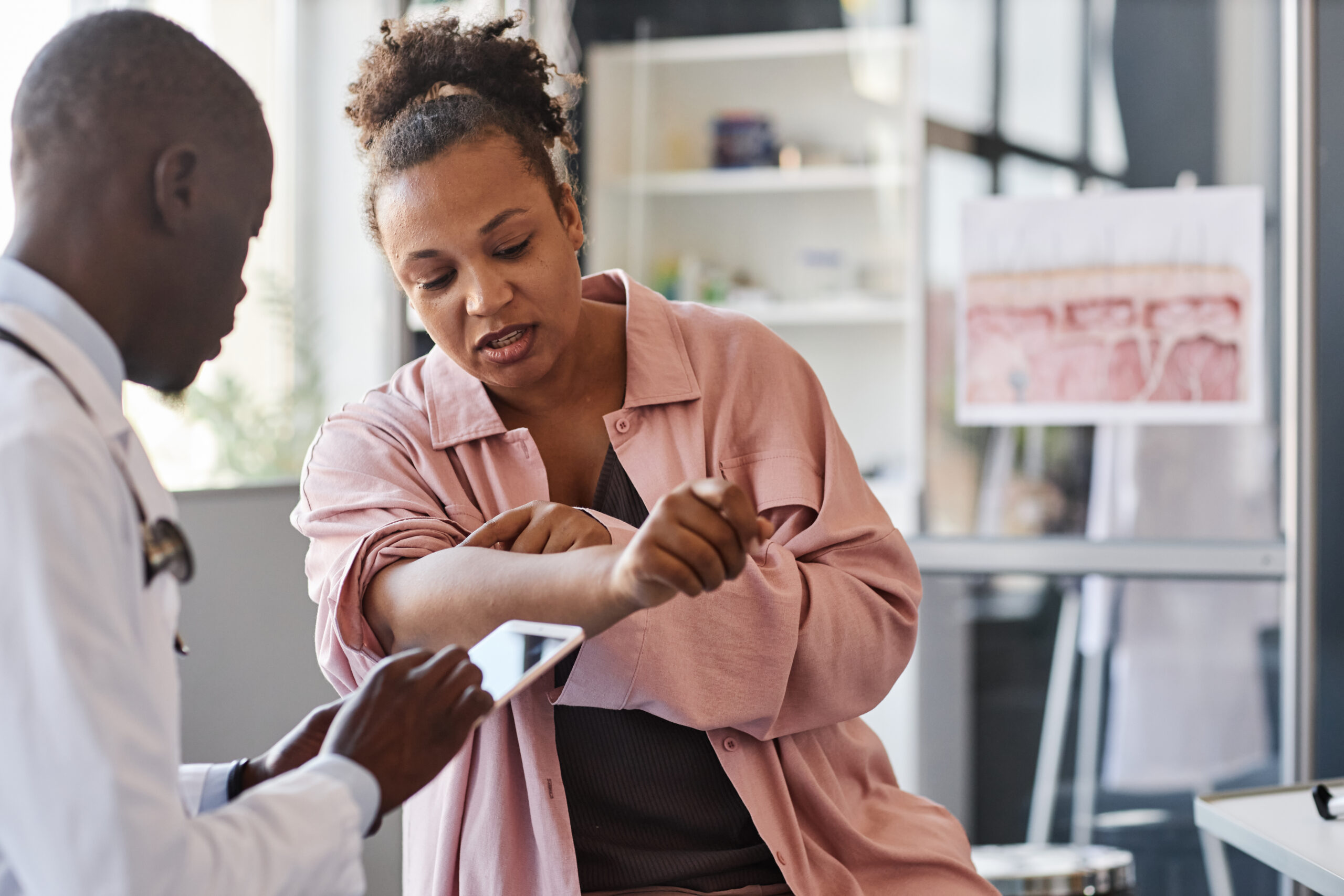
Black Woman Suffering From Psoriasis Visiting Dermatologist

Knowing When It Is Time to Have a Wound Evaluated

While many cuts and scrapes heal without any problems, it is always worth paying attention if something does not seem right. A wound that continues to worsen, remains painful, or does not appear to be healing deserves medical attention.


Seeking care early can provide reassurance, help identify possible concerns, and support proper healing before a small injury becomes a larger problem.

Listening to What Your Skin Is Telling You

Even the smallest injuries deserve a little attention. Understanding what healthy healing looks like makes it easier to recognize when your body may need additional support.

At MedCare, we believe understanding your body is an important part of protecting your health. If a cut or scrape is taking longer to heal than expected or begins to show signs of infection, our team is here to help you feel informed, supported, and cared for.

Your health matters, and so do you.

Contact Us

Schedule Your Appointment Today.

Don’t wait to take the next step toward better health. Our friendly team is ready to help you schedule your visit and answer any questions you may have.
Experience the MedCare Difference—Personalized Care That Puts You First.
MedCare Building