Medcare of Columbus

MedCare Contacts

MedCare Family Practice

MedCare Urgent Care

Family Practice and Urgent Care

Closed Monday – Friday, 12 – 1 PM, and on holidays.

Why You May Feel Dizzy in Warm Weather and What Your Body Is Telling You

Share:
A man with headaches is sitting on a bench outdoors.

Feeling dizzy or lightheaded in warm weather can come on quickly and feel unsettling. It may happen while spending time outdoors, walking, or even standing up too fast. While it is often mild, it is your body’s way of signaling that something is off balance.

Understanding why this happens and what your body is responding to can help you stay safe and feel more in control as temperatures rise.

A woman cooling off in the city's heat.

How Warm Weather Affects Your Body

As temperatures increase, your body works harder to stay cool. Blood vessels widen to release heat, and your heart may pump faster to keep blood circulating efficiently. These changes are normal, but they can sometimes lead to feelings of dizziness or lightheadedness.

Humidity can make this effect stronger because it reduces your body’s ability to cool itself through sweat. Even on days that do not feel extremely hot, your body may still be adjusting to seasonal changes.

Common Reasons You May Feel Dizzy Outdoors

Dizziness in higher temperatures is not caused by just one factor. It is often the result of several small changes happening at the same time

Heat Exposure

Spending time in direct sunlight or high temperatures can overwhelm your body’s cooling system. This may lead to lightheadedness, fatigue, or a feeling of weakness.

Changes in Blood Pressure

Warm weather can cause blood vessels to expand, which may lower blood pressure slightly. This can reduce blood flow to the brain for a moment, especially when standing up quickly.

Sudden Movement or Standing

Moving quickly from sitting or lying down to standing can cause a brief drop in blood pressure. This effect may feel stronger in warm conditions.

Not Eating Regularly

Skipping meals or going long periods without food can contribute to dizziness, especially when combined with heat.


Simple Ways to Reduce the Risk

Small adjustments can make a big difference in how your body responds to warm weather.

Try to spend time in shaded or cooler areas when possible. Wear lightweight clothing that allows your body to breathe. Take breaks if you are active outdoors, and move slowly when changing positions.

Eating regular meals and staying aware of how you feel throughout the day can also help you avoid sudden symptoms.

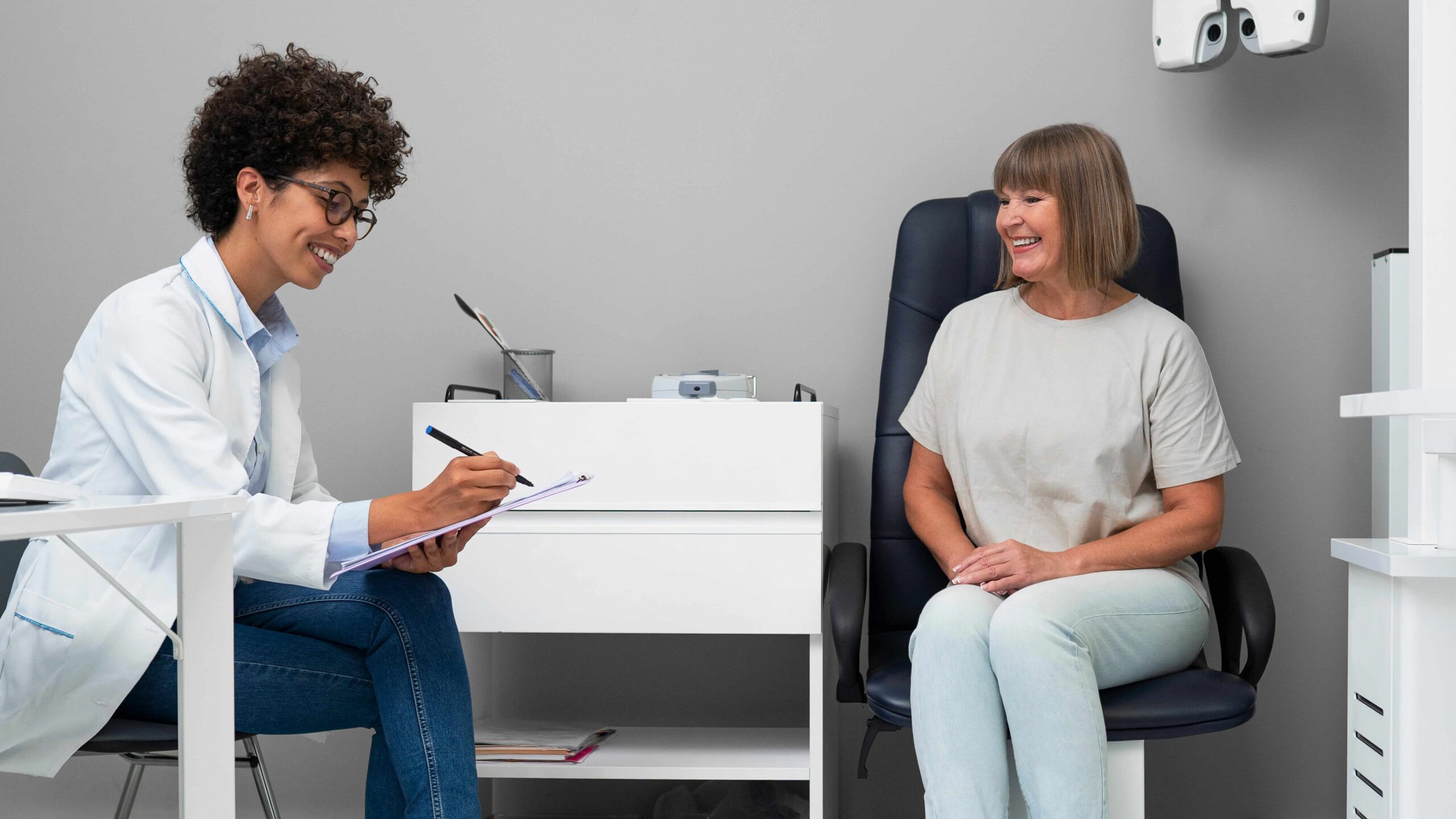
A woman doctor discusses patient care in the office.

When Dizziness Should Be Checked

While occasional lightheadedness can be normal, some situations should not be ignored. Seek medical care if dizziness happens frequently, becomes more intense, or is accompanied by symptoms such as chest discomfort, severe headache, confusion, or fainting.

If symptoms do not improve with rest or keep coming back, it is important to have them evaluated.

Staying Comfortable as the Season Changes

As the weather becomes warmer, your body may take time to adjust. Paying attention to early signs like lightheadedness can help you respond before symptoms worsen.

Making simple changes to your daily routine can help you stay comfortable and continue enjoying time outdoors without unnecessary discomfort.

A joyful woman jogging outdoors in a sunny park.

Getting Back to Feeling Steady and Well

Feeling dizzy can be unsettling, but in many cases, it is manageable with awareness and small adjustments. Listening to your body and responding early can help prevent more serious symptoms.

At MedCare, we believe that understanding your body is an important part of staying healthy. If dizziness becomes persistent or concerning, our team is here to help you find answers and feel confident in your care.

Your health matters, and so do you.

Contact Us

Schedule Your Appointment Today.

Don’t wait to take the next step toward better health. Our friendly team is ready to help you schedule your visit and answer any questions you may have.
Experience the MedCare Difference—Personalized Care That Puts You First.
MedCare Building